Weight Loss for New CrossFit Athletes: What You Actually Need to Know
Starting CrossFit is exciting—and maybe a little intimidating. Between learning the difference between a clean and a snatch, figuring out what “AMRAP” means, and discovering muscles you didn’t know existed, you might also be hoping to shed some body fat along the way.
Here’s the good news: CrossFit is an incredibly effective tool for body composition changes. But if you’re new to the sport, there are some things you need to know to make sure you’re losing fat the right way—without sacrificing performance, energy, or your ability to actually enjoy your workouts.
The New Athlete Reality Check
When you first start CrossFit, your body is adapting to an entirely new stimulus. You’re building work capacity, learning complex movements, developing strength, and asking your nervous system to fire in patterns it’s never experienced before. This requires energy—a lot of it.
This is where many new athletes make their first mistake: they drastically cut calories right when their body needs fuel the most.
We see this pattern a lot with new athletes. They’re so motivated to see the scale move that they slash their food intake, often eating less than they were before they started training. The result? They feel exhausted in workouts, they get frustrated with strength progress, they’re ravenously hungry, and they start questioning whether CrossFit is “for them.”
The problem isn’t CrossFit. The problem is chronic undereating.
Fuel First, Fat Loss Second
Here’s what new CrossFit athletes need to understand: your first priority should be fueling your training and recovery adequately. Fat loss is a secondary goal that happens within proper fueling, not instead of it.
Think about it this way—you wouldn’t expect your car to drive further on less gas. Your body works the same way. When you’re learning demanding skills like double-unders, building strength for your first strict pull-up, and pushing through metabolic conditioning workouts, you need sufficient energy to adapt and improve.
Start with adequate nutrition:
- Focus on eating enough protein (0.8-1.0 grams per pound of body weight)
- Include quality carbohydrates around your training to fuel performance (20-40g before and after)
- Don’t fear healthy fats—they support hormone production and satiety
- Prioritize whole foods that provide micronutrients for recovery
Once you’ve established a baseline of consistent fueling and you’re recovering well from your workouts, then you can create a modest caloric deficit for fat loss—typically around 300-500 calories below maintenance.
What Actually Drives Fat Loss in CrossFit
CrossFit creates an excellent environment for body composition changes through several mechanisms:
Muscle building: The strength component of CrossFit helps you build lean muscle mass, which increases your metabolic rate. More muscle means you burn more calories at rest.
Metabolic conditioning: Those heart-pounding metcons create an elevated calorie burn during the workout and can keep your metabolism elevated for hours afterward through EPOC (excess post-exercise oxygen consumption).
Movement variety: Unlike steady-state cardio, CrossFit constantly varies stimulus, which prevents metabolic adaptation and keeps your body responding.
But here’s the critical piece: these benefits only translate to fat loss when you’re eating in a way that supports both your training and a sustainable caloric deficit.
The Biggest Mistakes New Athletes Make
Mistake #1: Cutting carbs too aggressively
Carbohydrates are your primary fuel source for the high-intensity work that defines CrossFit. When you drastically reduce carbs, your performance tanks, your workouts feel miserable, and you’re more likely to overtrain. You need carbs to perform, recover, and build the muscle that drives long-term fat loss.
Mistake #2: Comparing themselves to veteran athletes
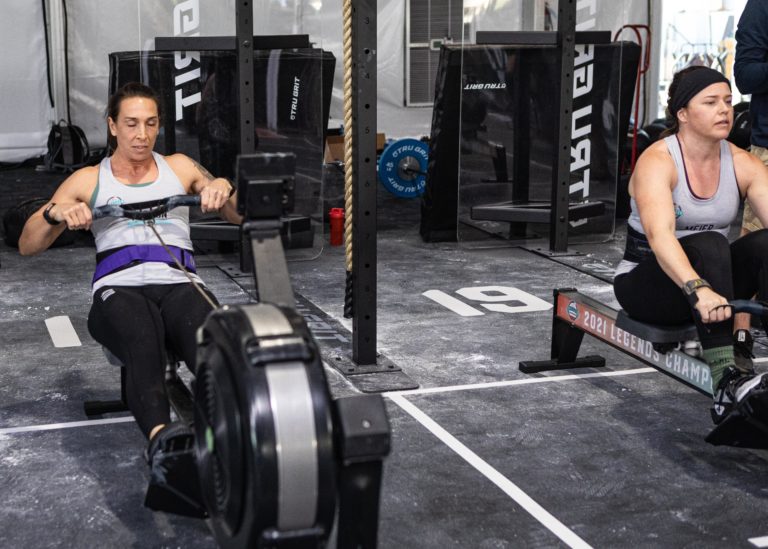
That woman next to you who’s cruising through the workout on minimal rest? She’s been training for five years and has built serious work capacity. You can’t expect your body to perform or look like hers when you’re three weeks in. Give yourself permission to be a beginner.
Mistake #3: Using the scale as the only measure
CrossFit changes your body composition in ways the scale doesn’t reflect. You might be building muscle while losing fat, which means the scale could stay the same (or even go up slightly) while you’re actually getting leaner and stronger. Take progress photos, notice how your clothes fit, and pay attention to performance metrics.
Mistake #4: Not eating enough protein
Protein is essential for muscle recovery and preservation, especially when you’re in a caloric deficit. Most new athletes drastically undereat protein. Aim for at least 0.8 grams per pound of body weight, distributed throughout the day.
A Realistic Timeline for New Athletes
Be patient with yourself. In your first 3-6 months of CrossFit, your primary adaptations are neuromuscular—you’re teaching your body how to move efficiently. You’re also building work capacity and base strength.
During this phase, you might see some body composition changes simply from the new training stimulus, but aggressive fat loss shouldn’t be your main focus. Instead, concentrate on:
- Learning proper movement mechanics
- Building consistency with training 3-5 days per week
- Establishing healthy eating patterns that support performance
- Recovering adequately between sessions
After you’ve built that foundation, you’re in a much better position to pursue intentional fat loss while maintaining the training intensity and performance gains you’ve worked for.
The Sustainable Approach
If you want to lose fat while doing CrossFit as a new athlete, here’s what actually works:
Focus on habits, not just numbers: Rather than obsessing over calories, build sustainable habits like eating protein at every meal, including vegetables with lunch and dinner, and staying hydrated throughout the day.
Eat to support your workout schedule: On training days, make sure you’re fueling adequately. This isn’t the time for aggressive restriction. On rest days, you might naturally eat slightly less, and that’s fine.
Prioritize sleep and stress management: You can have perfect nutrition and training, but if you’re sleeping five hours a night and chronically stressed, your body will fight fat loss. Recovery is when the magic happens.
Track performance, not just body metrics: Are you getting stronger? Can you do more rounds in workouts? Are you learning new skills? These performance markers indicate you’re fueling and training appropriately.
Be consistent, not perfect: You don’t need to eat perfectly every day. You need to eat well most of the time and be consistent with your training. That’s what creates lasting change.
The Bottom Line
Weight loss as a new CrossFit athlete is absolutely possible—but it shouldn’t come at the expense of your performance, energy, or enjoyment of the sport. Give yourself permission to fuel your training adequately while you’re building your fitness foundation. When you’re ready to pursue fat loss more intentionally, create a modest deficit that allows you to continue progressing in your lifts and workouts.
Remember: you started CrossFit to get stronger, fitter, and more capable. Those goals require energy. Feed your training, trust the process, and the body composition changes will follow.
Like this post? Share and keep following for more! Need to know what your macros should look like? Check out Fueled to Perform!