The Real Solution to Bladder Leaks During CrossFit Workouts
If you’ve ever leaked during double unders, box jumps, or running in a WOD, you’re not alone. Research shows that 36% of female CrossFit athletes experience urinary incontinence, and among those who do, 84% report it happens specifically during their CrossFit workouts.
Let me be clear: leaking during workouts is common, but it’s not something you have to accept as your new normal. And contrary to what you might have been told, the solution isn’t as simple as “just do more Kegels.”
What’s Actually Happening
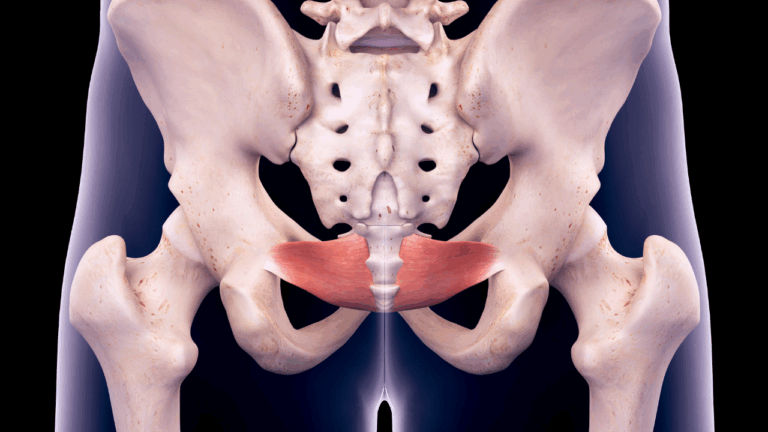
Bladder leaks during high-impact movements are a sign of pelvic floor dysfunction, but here’s where it gets interesting: pelvic floor dysfunction is multifactorial. That means there isn’t one single cause or one-size-fits-all solution.
Your pelvic floor might be dealing with:
Weakness – The muscles aren’t strong enough to handle the forces of high-impact movements
Overactivity or tightness – The muscles are constantly contracted and can’t relax properly (this one surprises people, but tight muscles are also dysfunctional muscles)
Poor coordination – The timing and sequencing of muscle activation is off
Breathing pattern issues – How you breathe directly impacts intra-abdominal pressure and pelvic floor function
The symptoms of weakness and overactivity can look remarkably similar, which is why “just do Kegels” advice often backfires. If your pelvic floor is already tight, adding more strengthening exercises can make things worse.
Why Double Unders Are Especially Problematic
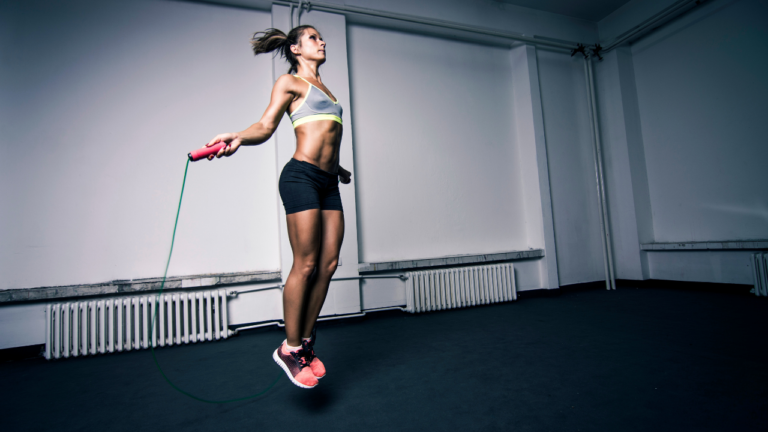
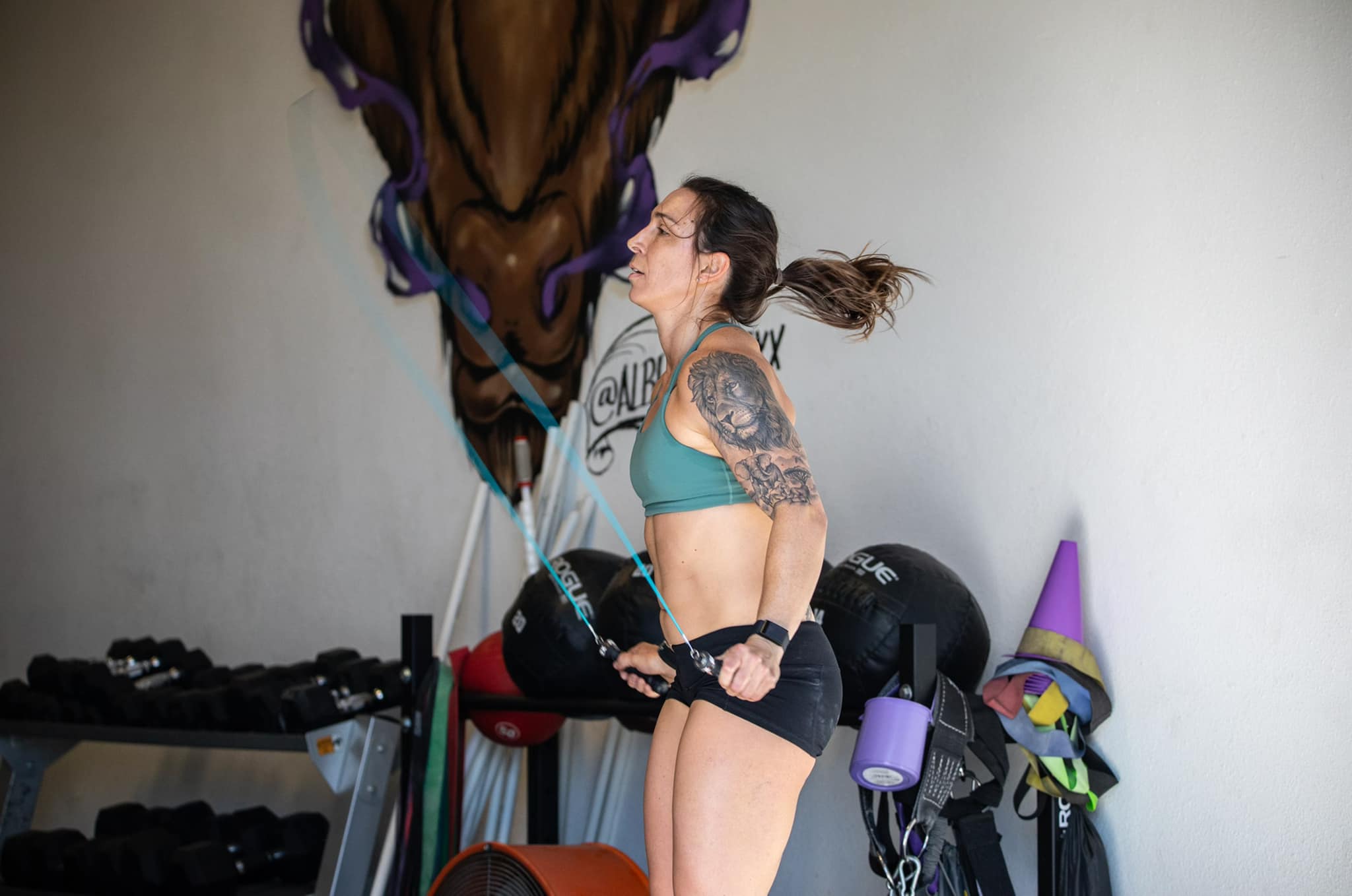
Double unders create a perfect storm for pelvic floor stress: repetitive impact, breath-holding during the movement, and core bracing patterns that increase intra-abdominal pressure. Each jump sends force through your pelvic floor, and if your breathing strategy or muscle coordination is off, that’s when leaks happen.
Research shows that holding your breath during exertion (an inspiratory breathing pattern) stresses the pelvic floor because high intra-abdominal pressure hits relaxed, unprotected pelvic floor muscles. The pelvic floor muscles physiologically act as expiratory muscles – they contract during exhale and relax during inhale.
What You Can Do Right Now
1. Change Your Breathing Pattern
The single most impactful thing you can do is exhale during the impact phase of movements. This activates your pelvic floor muscles in sync with the force, providing protection. Practice diaphragmatic breathing during your warm-up: inhale through your nose allowing your belly to expand, then exhale fully through your mouth.
2. Reduce Jump Height
You don’t need to jump as high as you think for double unders. Lower, more controlled jumps reduce impact forces on your pelvic floor while you work on the underlying issues.
3. Modify Volume Strategically
If a workout calls for 100 double unders and you start leaking at rep 40, scale to a number you can complete without symptoms. This isn’t giving up – it’s training smart while you address the root cause.
4. Check Your Posture
Slumped forward posture increases pressure on the pelvic floor and prevents your deep core and pelvic floor muscles from working effectively. Stand tall with your ribs stacked over your pelvis.
Long-Term Solutions
See a Pelvic Floor Physical Therapist
This is non-negotiable if you’re dealing with consistent leaking. A pelvic floor PT can assess whether you’re dealing with weakness, overactivity, coordination issues, or a combination. They’ll create a personalized treatment plan that might include:
- Proper breathing mechanics training
- Pelvic floor exercises (which may or may not include Kegels, depending on your specific dysfunction)
- Core coordination work
- Movement pattern retraining
Work on Breath-Movement Coordination
During your training, practice coordinating your breath with your movements. For Olympic lifts, exhale during the hardest part of the lift. For running, establish a rhythmic breathing pattern rather than breath-holding.
Address Training Factors
Interestingly, research found that women who trained CrossFit more than five times per week were three times more likely to experience certain types of incontinence compared to those training less frequently. This doesn’t mean stop training – it means adequate recovery matters.
What NOT to Do
Don’t stop doing double unders forever. With proper treatment and training, most women can return to high-impact movements without symptoms.
Don’t just accept it and wear pads. While many athletes resort to pre-voiding, wearing pads, or restricting fluid intake, these are management strategies, not solutions. The underlying dysfunction can be treated.
Don’t assume Kegels are the answer. If your pelvic floor is tight or your coordination is off, traditional Kegel exercises might not help and could potentially make things worse.
Don’t ignore it. Pelvic floor dysfunction doesn’t typically resolve on its own. The sooner you address it, the better your outcomes.
The Bottom Line
Leaking during workouts is a sign that something in your pelvic floor system needs attention. It might be strength, coordination, breathing patterns, or a combination of factors. The good news is that pelvic floor dysfunction is treatable with the right assessment and approach.
You don’t have to choose between your CrossFit training and your pelvic health. With proper guidance from a pelvic floor physical therapist and smart training modifications, you can get back to crushing WODs without worrying about your bladder.
If you’re experiencing bladder leaks during training, start by finding a pelvic floor PT who understands athletes. Many specialize in working with CrossFit athletes and can help you continue training while addressing the underlying issues.
Remember: common doesn’t mean normal, and you don’t have to live with this.
Ready to work on this while continuing to crush your training? As a women’s-only program, we address root causes by providing a pelvic floor warm-up before all your training sessions. Learn more about CFT programming here.
References
- Pisani GK, de Oliveira Sato T, Carvalho C. Pelvic floor dysfunctions and associated factors in female CrossFit practitioners: a cross-sectional study. Int Urogynecol J. 2021;32:2975–2984. https://link.springer.com/article/10.1007/s00192-020-04581-1
- Wikander L, Kirshbaum MN, Waheed N, Gahreman DE. Breathing, (S)Training and the Pelvic Floor—A Basic Concept. Healthcare. 2022;10(6):1035. https://www.mdpi.com/2227-9032/10/6/1035
- Forner LB, Beckman EM, Smith MD. Symptoms of pelvic floor dysfunction and prevalence of pelvic organ prolapse in female CrossFit athletes and runners. Int Urogynecol J. 2020;31(8):1641-1648.
- Goldstick O, Constantini N. Urinary incontinence in physically active women and female athletes. Br J Sports Med. 2014;48(4):296-8.